
The fastest way to improve small business customer experience is to make every visitor feel seen, from the first hello to the goodbye at the door. Five simple habits do it: use their name, welcome them in and introduce your space, read the room, bridge every gap so your team always has an answer, and close the loop in person. The payoff is more regulars, more referrals and customers who spend more over time.
How Presence, Names And A Personal Goodbye Turn First-Time Visitors Into Loyal Regulars Who Spend More And Send Their Friends.
You step through the door and someone looks up. A warm hello, real eye contact, a smile that says ‘Welcome, I’m glad you’re here’. For a split second, the whole room tilts in your favour.
That spark is the most valuable thing in your business. (Yes, more than the stock, the styling or the new-season window.)
It’s the moment a visitor becomes a guest, and it sits at the heart of customer experience for any small business where the experience is the product: the shop, studio, salon, gallery, florist or café. The founders building businesses people rave about haven’t left it to chance. They’ve made it part of the strategy.
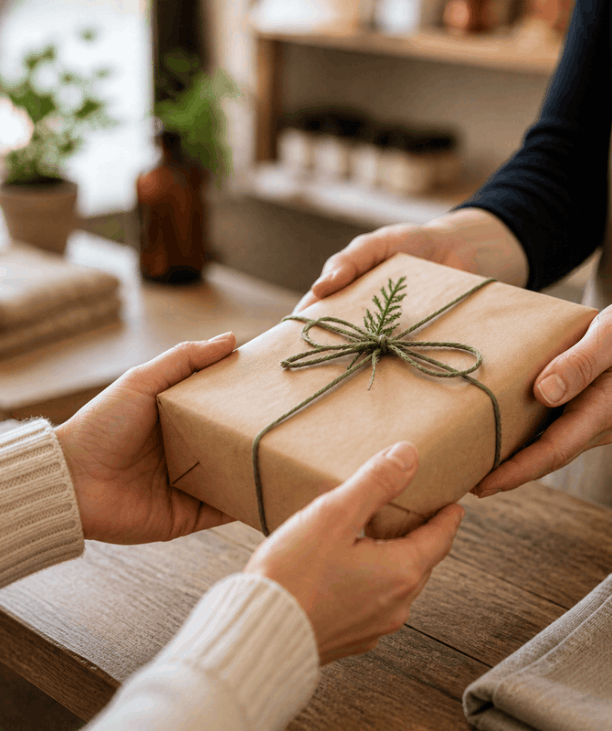
Great Customer Experience Starts With Presence
Most conversations about growth head straight for conversions, KPIs and acquisition. All useful, and all downstream of something simpler: did this person feel seen? (I explored the spark in the art of customer engagement. This post takes it further.)
I’ll show you what I mean from the other side of the counter. Recently I made a special trip to a small independent shop. It stocked exactly what I love, it offered treatments I was seriously considering booking (not an inexpensive decision), and I’d made time to go. I walked in ready to spend.
I said hello and didn’t hear one back. The space was tiny, just me and one person behind the counter, and it felt like stepping into someone’s living room: too awkward to leave, too quiet to ask. So I browsed. I picked things up, read the descriptions, peered into every corner. Eventually I asked, “Is this your place?” The answer was, “No, I just work here.”
I asked how to book a treatment and how far ahead the diary runs. I was told to send a DM and the boss would reply. The treatment room at the back looked uncared for, which settled it. I left without buying anything.
I don’t blame the person behind the counter. A team can only deliver the experience it’s been equipped to deliver. One sentence would have bridged the whole gap: “I’m covering for the owner today. Can I take your details, or give you our treatment menu?”
What stayed with me is that this visit changed how I shop. It decided where my money went, what I told people, and whether I’d ever go back. Your customers do exactly the same in your space, every time. The reframe: that first spark is yours to design, and it lives in the business even on the days you’re not in the room. And that’s the foundation of customer loyalty in a small business.
There’s no single template for it. Mine was cool luxury, not white glove: polished, personal, never stiff. Yours will look different, and defining it is the founder’s job. (It’s also the work I do with founders as their small business mentor.)
Small Business Customer Experience: 5 Small Habits That Make A Big Impact
💬 Use their name. Learn it, and use it. Nothing says “you’re not a transaction” faster.
🚪 Welcome them in, and introduce your space. Get out from behind the desk and meet people on the floor. Show them around, and keep every corner looking cared for. (Especially the ones that earn your biggest bookings.)
🤝🏼 Read the room. There’s a world of difference between a host and a heat-seeking missile. (Nobody has ever said, “I loved how she followed me round the shop.”) Say hello, then listen: to their words, their pace, whether they want company or room to browse. Take your cue from the customer, and know when to take command, offering the next helpful thing at exactly the right moment, and make it feel effortless. In my boutique I was with the customer for the whole experience: browsing, trying, talking, deciding. I only stepped around the cash desk to wrap the pieces and complete the sale.
🌉 Bridge every gap. Whoever is on your floor, you or a colleague covering for you, needs the answers to “how do I book?” and “what does it cost?” in their pocket: a service menu, a booking link, a way to take someone’s details. Customers don’t mind “I’ll find out.” They do mind a dead end.
🛍️ Close the loop in person. I came back round to the front of the desk, handed over the bag myself, opened the door and thanked clients and customers personally. The goodbye is part of the experience, and it’s the bit people remember.
What Odyssey Taught Me
My boutique was a concept store, so not everything was on display, which meant the welcome was the experience. Introducing someone to the space was how they discovered what I offered.
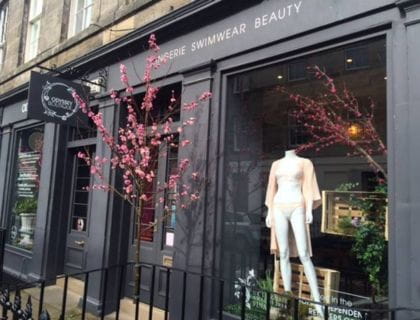
On the good days, it was effortless. I knew my customers by name. I got a teeny bit high on passionately talking about the products I sold (I love that part), and was told time and again how infectious that was. It never felt like selling. It felt like hanging out with a really cool woman who’d wandered into my shop and we happened to have a brilliant conversation. Customers who feel that don’t need convincing. They’re in.
There were days I got caught knee-deep in re-merchandising, or head-down at the desk, completing something business-critical on the computer, while someone new wandered in. When I didn’t get out and welcome them, they drifted through, never discovered half of what I had, and left. I lost them, and I lost the sale. That taught me my job was never to be busy. It was to be the host.
The results of the kind of small business customer experience that made a customer feel genuinely valued outlasted any single sale. Those customers came back, and they came back more often, which meant they spent more with me over time. The relationship I’d built did the work that no discount code could. They recommended me, and they trusted that I’d always point them to what was in their best interest. That’s the quiet magic of word-of-mouth.
Regulars, referrals and a team who own the experience
Picture it: customers who linger, who bring friends, who tell the story of their visit before they’ve mentioned what they bought. A team that knows what great looks like, enjoys delivering it, and makes it their own whether you’re there or not. A business that feels as good to be in as you always imagined it would.
Luxury is never about the price tag. It’s in the thoughtful and simple touches that make somebody feel seen. And that’s entirely in your hands.
💌 Want customers who feel so welcome they stay longer, spend more and tell everyone they know?
Your small business customer experience is how independent businesses grow without chasing the algorithm. My free guide — How to Create a Memorable Customer Experience and Build a Loyal Customer Base — walks through the practical foundations of building a loyal customer base in a small business. Download your copy here.
Or come and talk with me → Book a complimentary Breakthrough Session and we’ll look at your business side by side, and pick your next best moves.
Your strategic wing-woman,
-Sarah C
Know someone who’s been circling the same decision for three weeks running? Send them this — it might be the nudge that gets them off the fence.